Books that shaped how I think about software and the teams that build it


Lead Engineer | MBA Candidate | M.Sc. Software Engineering & Ubicomp
Become a DrinkBird Insider
Get an email when there's a new essay on engineering leadership. Recent ones: Conway's Law, the AI bottleneck, psychological safety. Opt out anytime.
Get the newsletterMost of these books I have read more than once, and a few I keep gifting to colleagues. They are the ones that earned a permanent place on the shelf. Not the ones that sounded impressive on a reading list, and not the ones that go out of date when the framework does.
The Leadership, People & Teams collection is the biggest. The higher I have gone in my career, the less my problems have been technical. The other three collections are the canon I leaned on while I was mostly writing code, and they still earn their place.
I update this list every so often. To get notified of future updates, subscribe to the DrinkBird newsletter.
My thoughts on books live at the end.
Affiliate disclosure: book links are Amazon affiliate links. Buying through them doesn't cost you more, and it helps me buy the next round of books.
Start here
If you only read five from this list, read these. Together they cover the people, the organization, the systems, and the craft of leading engineers without losing what makes engineering good.



Leadership, People & Teams
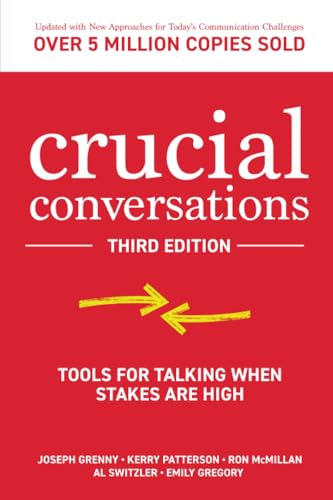
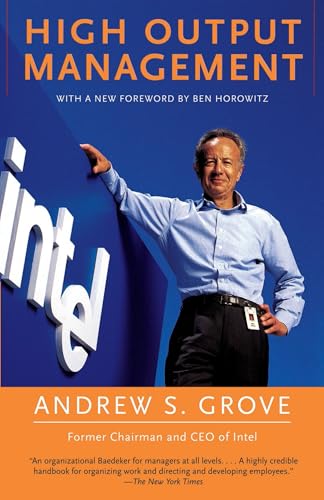
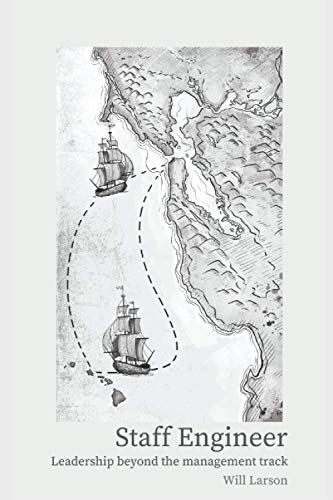
The most expensive skill in software is leading the people who build it, not building the software. These books shaped how I think about leading engineers: building psychologically safe teams, giving feedback that lands, designing organizations that ship, and growing into senior technical leadership without losing the craft. Whether you are a lead, a manager, a director, or a senior engineer who has just realized the problem is no longer technical, this is where I would start.
Heavily weighted toward books about people, which age slower than books about systems.
Spotlight: Peopleware: Productive Projects and Teams (3rd Edition)
DeMarco and Lister's 1980s classic documents almost everything tech still gets wrong about how people actually work. The conscience of engineering management.








High-Performing Engineering Organizations
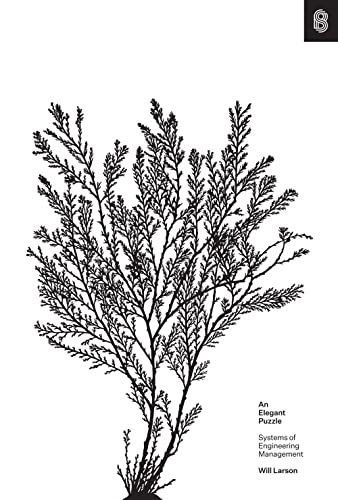
Most engineering organizations are accidentally designed. These books are what deliberate design looks like. They cover how to instrument, structure, and continuously improve a software-delivery organization: throughput, team topology, release engineering, lean and DevOps, operational maturity. If you have authority over how software is built (CTO, VP, director, product leader, or staff engineer), these are the books that will help you exercise that authority well.
We are turning the U.S. Air Force into a software company that happens to deliver airpower.
– Adam Furtado, Chief Product Officer at Kessel Run / U.S. Air Force, UXDX 2018
If the world’s largest bureaucracy can undergo such a significant digital transformation, then so can your business.
Heavily weighted toward systems thinking, which outlives any specific reorg, methodology, or platform.
Spotlight: The Phoenix Project: A Novel about It, Devops, and Helping Your Business Win
The novel that taught a generation of engineering leaders to see their delivery pipeline as a system that can be diagnosed and improved, not a fact of nature.



Software Architecture & Systems
Bad architecture compounds. Good architecture absorbs change. These books are how you tell which is which before the rewrite becomes inevitable. They cover the deeper material that separates teams shipping in year three from teams rewriting in year three: data systems, domain modeling, distributed-systems patterns, architecture that survives the next reorg. If you ship and operate complex systems for a living, this is the canon.
Peer-reviewed books beat conference and blog signal-to-noise by an order of magnitude here. The ideas have had time to mature.
Heavily weighted toward ideas, not specific stacks. The patterns outlive their reference implementations.
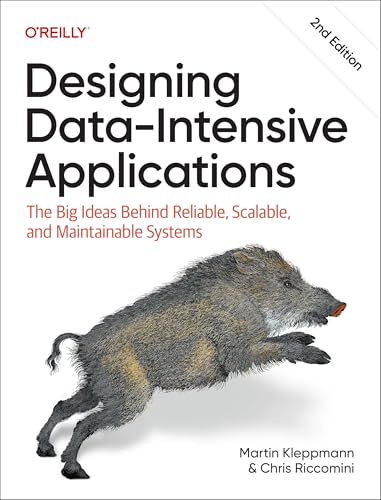
Spotlight: Designing Data-Intensive Applications, 2nd Edition: The Big Ideas Behind Reliable, Scalable, and Maintainable Systems
Kleppmann's tour of the data systems behind every modern product, with the rigor of a textbook and the readability of an essay. The most useful architecture book of the past decade.




Software Craft & Career
The work itself, and the working life around it. Strong craft without communication leaves you stuck at senior engineer. Strong communication without craft leaves you with nothing to communicate about. The first half of this list is the canon of software craft: how to write code other people can read, how to refactor without breaking things, how to design at the boundary of the code. The second half is the canon of being a working professional: communicating clearly, writing well, staying creative across decades, building a body of work you can be proud of.
Laborers are hired to take direction. Professionals are hired to ensure that the direction chosen makes sense. – Robert C. Martin
Heavily weighted toward books that age across language fashions and management trends.

Spotlight: The Pragmatic Programmer: 20th Anniversary Edition
Twenty years of habits that separate craftsmen from coders, in a 300-page handbook you can finish on a long flight. The book to hand to any engineer two years into their career.


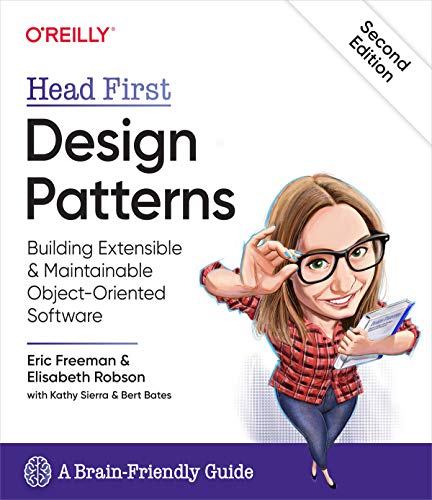


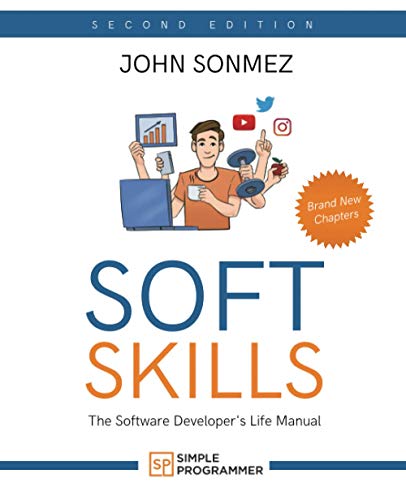


Thoughts on books
Not all books have the same lifespan
Technologies move quickly, which makes some people believe books become obsolete the moment they hit the shelves. That’s true in narrow cases. The more useful distinction is between information and fundamentals.
Information is the specific knowledge that helps you solve today’s problem in today’s stack: API changes, framework idioms, configuration recipes. Short half-life. Fundamentals are the underlying ideas that apply across stacks and decades: how to model a domain, how to instrument a system, how to lead the people who build it. Books about people and behavior especially can be relevant for a lifetime, because technology changes but people don’t.
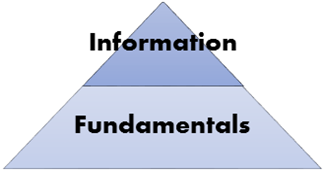
The lists above are heavily weighted toward fundamentals. A few entries live at the boundary. I keep them as long as they remain relevant and drop them when they don’t.
Success is a process, not a moment
Reading one book won’t transform your career. Reading regularly across years, especially across topics outside your current job, will. The habit compounds faster than the work.
Got a book worth adding to one of these lists? Drop a line in the comments.